
End-of-Life & Palliative Care Support in Las Vegas
Terminal illness support is about ensuring comfort, dignity, and quality of life during challenging times. Whether you choose palliative care at any illness stage or hospice care for the final months, both focus on your specific needs.
Non-medical services like personal care and companionship enhance your experience at home, bridging the gap between medical visits. Plus, with support for your family—like respite care and planning ahead—you can navigate this journey with confidence. Discover how A-Team Personal Care creates a compassionate environment for your loved ones right here in Las Vegas.
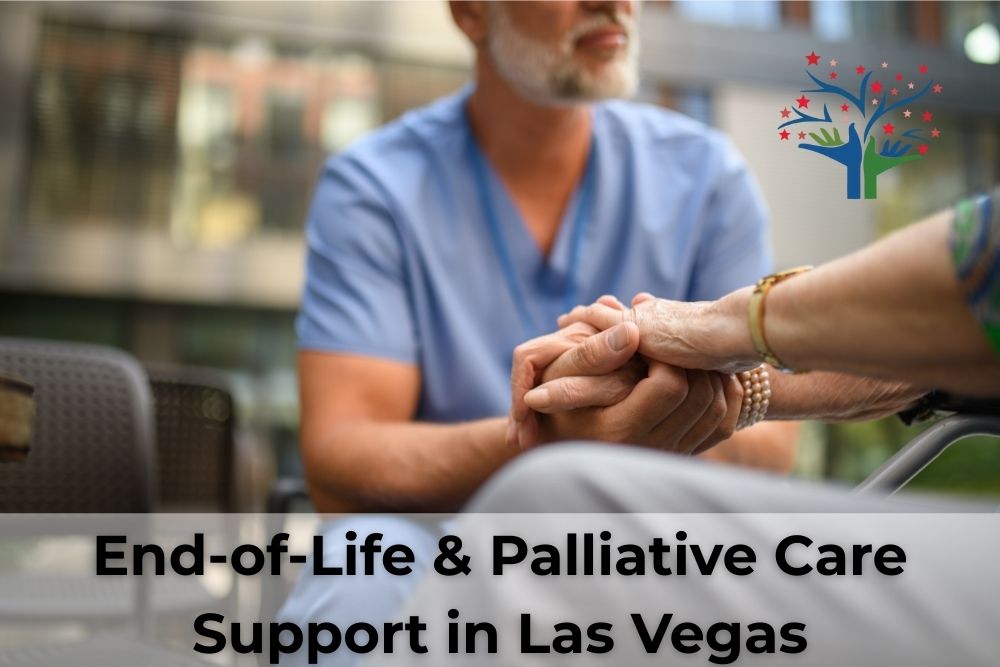
Providing Comfort and Dignity at Home for Las Vegas Residents

Compassionate Care Around the Clock
Trusted Experts, 12 Years Strong
Local Heart, Professional Touch
Respite Services for Peace of Mind
Always Here, Always Supportive
When you’re facing the challenges of the dying process, A-Team Personal Care steps in to provide essential comfort and dignity at home. Our non-medical care focuses on enhancing the quality of life for your loved ones, allowing family caregivers to find peace amidst the emotional turmoil.
With over 12 years of experience serving Las Vegas families, we recognize the importance of maintaining a soothing environment where every moment counts. Whether you need a Home Health Aide to assist with daily tasks or a companion to sit by the bedside, we ensure your family member remains clean, safe, and respected.
Our compassionate team not only supports patients but also offers respite for family caregivers, allowing them to recharge while knowing their loved ones receive the utmost care. Whether in private homes, retirement communities, or assisted living facilities, we tailor our support to your unique environment.
Let's make your home a haven
Together, we’ll ensure your loved ones receive compassionate care when they need it most..
Let’s talk about how we can support your family today!
Understanding the Difference: Palliative Care vs. Hospice Care
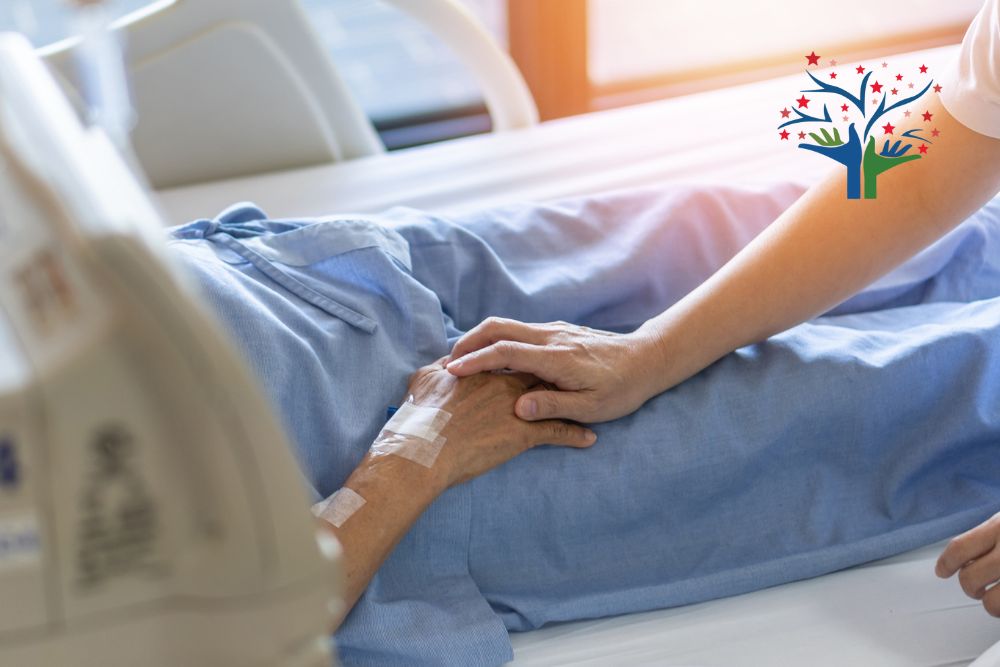
When you’re exploring care options for loved ones nearing the end of life, it’s essential to understand the difference between palliative care and hospice care. Palliative support focuses on comfort and quality of life at any stage of illness, while hospice care provides support specifically for those in the final months of life.
What is Palliative Support?
Palliative support is a specialized approach designed to enhance quality of life for individuals facing serious illnesses, even while they’re actively pursuing treatment. This form of care focuses on providing comfort and addressing various needs, ensuring that patients receive holistic support during challenging times. Key aspects include:
- Comfort and environment support: Ensuring the setting stays calm and restful (positioning, calm atmosphere).
- Emotional and spiritual support: Helping patients cope with the psychological aspects of illness.
- End-of-life care: Preparing individuals and families for the journey ahead with dignity and grace.
What is Hospice Care Support?
Hospice care support is a compassionate approach dedicated to individuals nearing the end of life. This type of care is provided when curative treatments have stopped, allowing you to prioritize your loved one’s comfort.
Hospice care addresses physical symptoms while offering emotional and spiritual support. It involves family members in the care process, helping them cope with the challenges of this difficult time. Ultimately, it’s about creating a peaceful environment where dignity and love prevail.
How Our Caregivers Partner with Medical Teams in Nevada
Understanding the nuances between palliative care and hospice care is crucial, especially as our caregivers collaborate closely with medical teams.
Working alongside the hospice or medical team your family has chosen, we provide the practical comfort, presence and daily support that fills the hours between their visits. Our team, and Home Health Aides (HHAs), serves as the eyes and ears in the home.
- We prioritize physical comfort to enhance quality of life.
- We support the decision-making process, helping families communicate changes to doctors.
- We complement medical care, filling the hours when nurses are not present.
Together, we create a holistic approach that respects dignity and fosters meaningful connections in this challenging time.
Our Non-Medical End-of-Life Support Services
When facing end-of-life challenges, you deserve support that focuses on comfort and dignity. Our non-medical services help create a soothing environment for both you and your loved ones.
How We Support You at Home
A-Team Personal Care provides compassionate, non-medical support focused on the comfort and dignity of your loved one. Our caregivers assist with Activities of Daily Living (ADLs) such as bathing, dressing, grooming, toileting, transferring (Hoyer Lift), mobility, and eating assistance — as well as Instrumental Activities of Daily Living (IADLs) such as light housekeeping, laundry, shopping, and meal preparation. We handle the day-to-day comfort so the medical team can focus on treatment.
Personal Hygiene & Infection Control
As you navigate the end-of-life journey, personal hygiene and infection control become essential components of compassionate care. Maintaining these aspects not only promotes comfort but also helps prevent infections, ensuring dignity.
- Bed baths to keep skin clean and comfortable.
- Oral care to maintain hygiene and prevent discomfort.
- Changing linens frequently to create a fresh environment.
Assisting with Comfort Measures & Positioning
Assisting with comfort measures is essential in providing a soothing environment. By focusing on proper positioning and maintaining body temperature, you can enhance your loved one’s comfort considerably. Simple adjustments, like turning them regularly and using supportive pillows, can prevent bedsores and ease discomfort.
Comfort Measure
Comfort Measure
Description
Description
Comfort Measure
Regular Positioning
Description
Help changing position regularly for comfort.
Comfort Measure
Pillows & Cushions
Description
Use for support and to relieve pressure points.
Comfort Measure
Temperature Control
Description
Adjust blankets and room temp for warmth.
Comfort Measure
Personal Hygiene
Description
Assistance with bathing and daily hygiene.
Companionship & Emotional Presence
Creating a comforting atmosphere goes beyond physical care; companionship plays an essential role. When you can’t be there, providing a calm presence can ease your loved one’s journey, helping them feel less alone.
- Listening: Offer a non-judgmental ear for their thoughts and fears.
- Reassurance: Provide comfort to alleviate terminal restlessness.
- Presence: Simply being there can bring immense solace.
Nutrition & Hydration Assistance
Ensuring proper nutrition and hydration can greatly enhance comfort. We assist with eating and drinking, strictly following the dietary guidelines set by the medical team to ensure safety and comfort without distress.
Support for the Family: Respite & Peace of Mind
Caring for a loved one in their final days can be overwhelming. Respite care offers you the chance to recharge, knowing your loved one is in good hands.
Respite Care: Taking Time for Yourselves
Taking time for yourself isn’t just okay—it’s necessary.
- Peace of Mind: Relax knowing a qualified HHA or PCA is watching over your loved one.
- Renewed Energy: Return to your caregiving role with a refreshed spirit.
- Strengthened Bonds: Time away can deepen your appreciation for the time you have left.
Bereavement Services & Aftercare Support
Our support extends beyond the immediate care of the patient. We understand that the journey does not end when a loved one passes.
- Emotional Support: Our caregivers provide a supportive presence during the immediate grieving period.
- Resource Connection: We can help connect families with local bereavement counselors and support groups in the Las Vegas area to help navigate the grieving process.
- Household Transition: We assist with the light organization and household tasks needed during the transition period.
Overnight & 24-Hour Monitoring
Overnight monitoring provides peace of mind, especially during the dying process. A trained caregiver can watch for signs and symptoms, ensuring comfort when there’s decreased fluid intake or changes in condition. By investing in 24-hour monitoring, you foster a nurturing environment that honors your loved one’s dignity.
Planning for Care: Practical Considerations
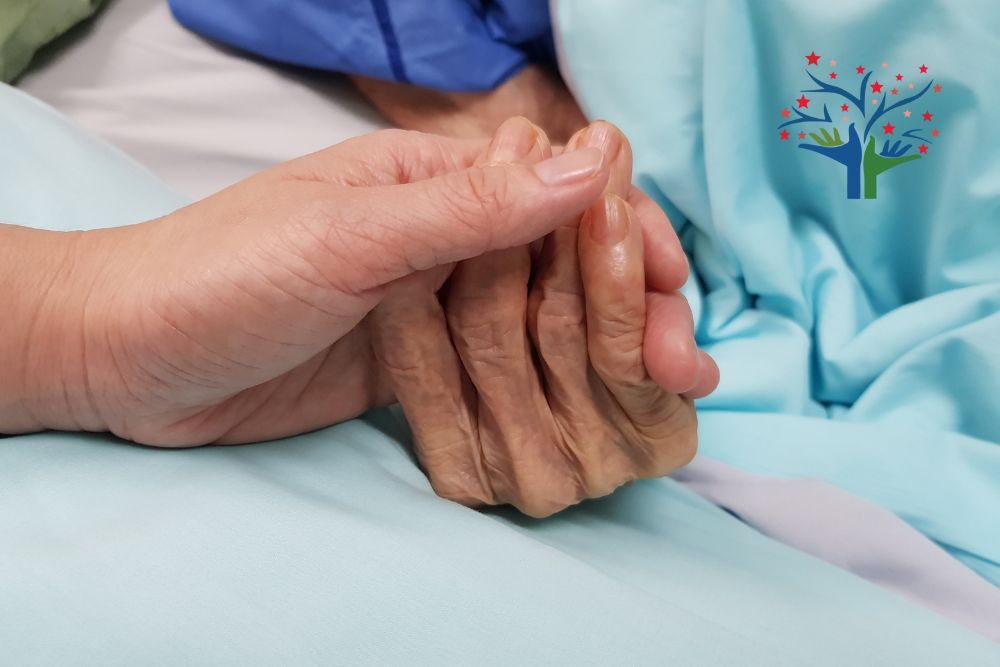
Overnight monitoring provides peace of mind, especially during the dying process. A trained caregiver can watch for signs and symptoms, ensuring comfort when there’s decreased fluid intake or changes in condition. By investing in 24-hour monitoring, you foster a nurturing environment that honors your loved one’s dignity.
Respecting Advance Directives & DNR Orders
Respecting Advance Directives and DNR (Do Not Resuscitate) orders is essential. These legal documents guide caregivers in honoring individual preferences.
- We familiarize ourselves with your advance directives to provide guidance on desired interventions.
- We strictly respect DNR orders, ensuring that patients’ wishes regarding resuscitation are upheld by our staff and communicated to emergency personnel if necessary.
Creating a Safe Home Environment
We help organize the space to accommodate hospital beds or mobility equipment. Keeping the area free of clutter prevents falls and guarantees comfort. We also pay attention to signs like the “death rattle,” alerting the medical team immediately so they can prescribe appropriate interventions.
Las Vegas Senior Resources
Finding the right support in Las Vegas is critical during end-of-life planning. Here are some local entities that can assist you:
- Nevada 2-1-1: For connection to local health and human services.
- Cleveland Clinic Lou Ruvo Center for Brain Health: For specialized resources on cognitive decline.
- Nathan Adelson Hospice: One of the area’s leading non-profit hospice providers (we can work alongside their medical team).
- Nevada Senior Services: For additional caregiver support and respite grants.

Contact Us for a Compassionate Consultation
If you’re seeking compassionate support for your loved one during this difficult time, we invite you to reach out for a free assessment. Our goal is to guarantee that every moment counts.
During our consultation, we’ll discuss:
- Personalized care plans tailored to individual needs.
- Expert guidance on coordinating with your hospice agency.
- 24/7 support options to ensure assistance is always available.
Alzheimer's and Dementia FAQs
How Long Does the End of Life Stage Last?
The end-of-life stage can last anywhere from a few days to several months. Factors like the type of illness and overall health influence this duration. Regular assessments by healthcare providers can help you understand what to expect.
Which Signs Would You Notice if the End of Life Is Near?
You may notice coolness in the extremities, mottled skin, and decreased body temperature. Changes in breathing patterns, increased sleepiness, or unresponsiveness are common. A reduced appetite and fluid intake often signal that the body is preparing for its final change.
What Are Common Symptoms in the Last 48 Hours of Life?
In the last 48 hours, individuals often become less alert or unresponsive. Breathing patterns can shift (Cheyne-Stokes breathing), and you may observe coolness and mottling in the skin. Congestion (“death rattle”) may occur, and fluid intake usually ceases.
What Are the Four Stages of End of Life?
- Pre-active stage: Increased fatigue and withdrawal.
- Active stage: Significant physical changes and confusion.
- Shift stage: Responsiveness decreases and unique experiences may occur.
- Imminent death stage: Profound physical changes and need for emotional support.