
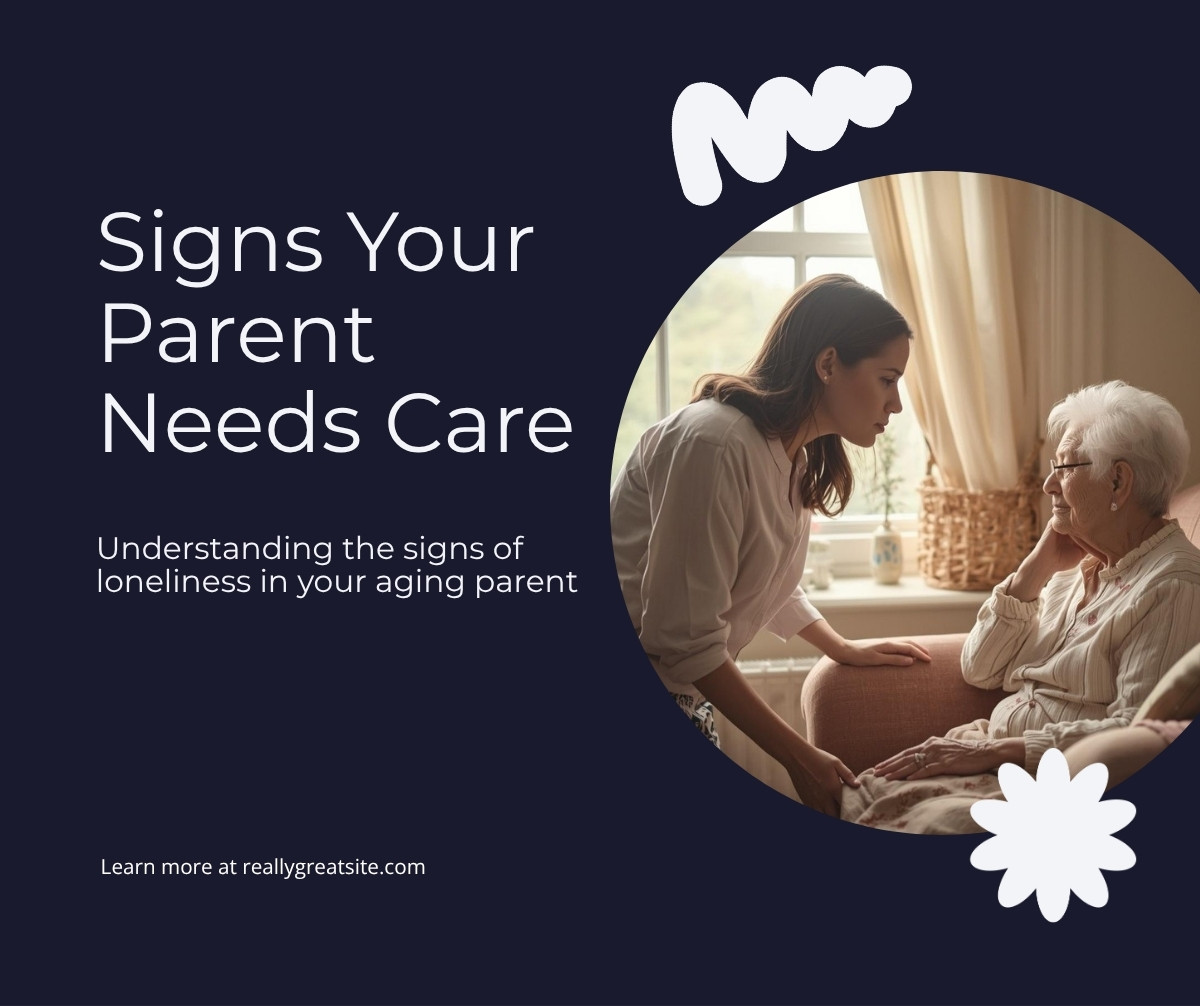
As a family member of a Las Vegas senior, you may notice gradual changes over time — shifts in mood, engagement, or behavior that signal something important: your loved one may be lonely, and that loneliness may be affecting their health. Here are eight signs it may be time to explore companion care.
1. They Mention Feeling Lonely or Bored Frequently
The clearest sign is the most direct one. If your loved one tells you they feel lonely, or that they have “nothing to do,” take it seriously. This is a direct expression of a need that companion care is specifically designed to address.
2. They’ve Withdrawn from Activities They Once Loved
Has your parent stopped doing things they previously enjoyed — gardening, attending a book club, playing cards? Withdrawal from previously enjoyed activities is a common sign of social isolation and low mood in older adults.
3. Their Cognitive Function Seems to Be Declining
Lack of social stimulation accelerates cognitive decline. If your loved one seems more forgetful, confused, or mentally sluggish than usual, regular social engagement through companion care can help slow this process.
4. They Spend Most of the Day Watching Television
While watching TV is normal, spending most of the waking day passively in front of the TV — particularly if they seem disengaged or depressed — suggests a lack of meaningful social stimulation.
5. They Rarely Leave the House
Limited mobility, anxiety about driving, or simply having nowhere to go can trap seniors at home for days at a time. A companion caregiver can accompany your loved one on walks and outings that restore their connection to the world.
6. Their Mood Has Changed
Depression in older adults often presents as increased irritability, emotional flatness, or a lack of interest in connecting with others — rather than overt sadness. These subtle mood changes deserve attention.
7. They Seem Anxious When You Leave After Visits
If your loved one expresses distress or reluctance when family members leave, this points to an unmet need for regular companionship. A consistent companion caregiver can dramatically reduce this separation anxiety.
8. Their Friendship Network Has Significantly Shrunk
If your loved one’s social circle has contracted substantially — due to friends moving, illness, or the passing of peers — and they have limited community involvement, they are at elevated risk of isolation.
If your loved one shows several of these signs, call A-Team Personal Care at 702-822-1253 or visit our Companion Services page to schedule a free consultation.