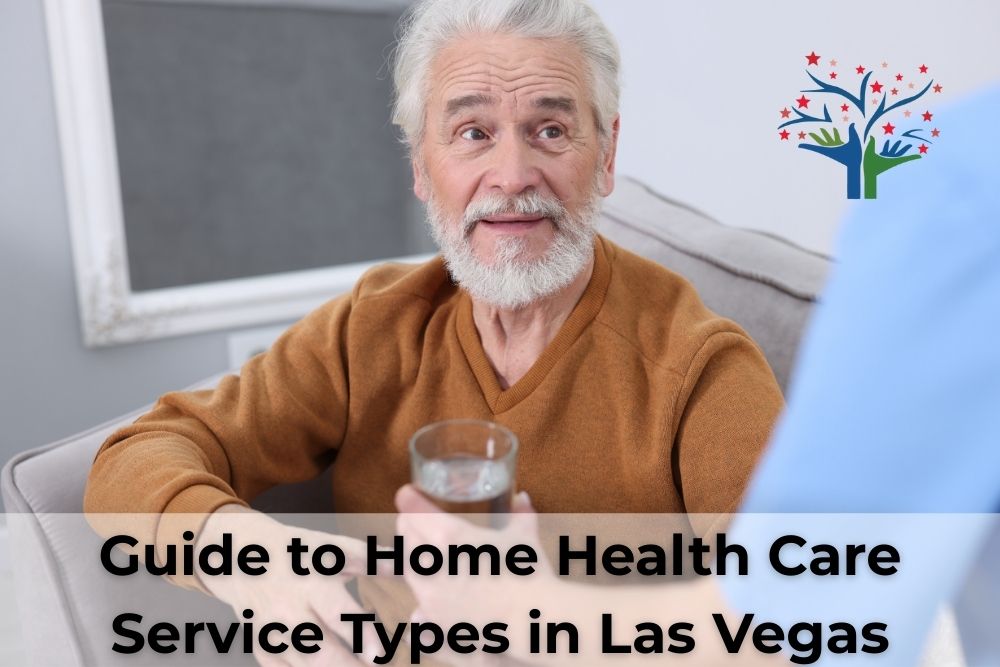
Home health care services include various types designed to support your needs at home. You can access personal care assistance for daily living tasks, skilled nursing for specialized medical care, and therapy services for improved mobility and strength. Home health aides are there to help with personal tasks and offer companionship.
Key Home Health Care Services in Southern Nevada
When you’re considering home health care services in Southern Nevada, it’s essential to understand the specific categories available. These services are designed to support individuals in their homes, allowing them to maintain independence while receiving necessary care.
Here is a breakdown of the primary service types available in the Las Vegas Valley:
- Skilled home health: medical care a physician orders and licensed clinicians deliver. A-Team Personal Care does not provide this; a licensed home health agency does.
- Personal Care Assistance: Non-medical support for daily routines like bathing and meal prep.
- Therapy services: physical, occupational and speech therapy, also arranged through a medical provider rather than an in-home care agency.
- Companionship: Emotional support and monitoring to combat isolation.
Recognizing the importance of compassion and professionalism in this field can help you choose the right services for those you care about. By understanding these distinctions, you’re better equipped to help others live fulfilling lives in the comfort of their homes.
Home Health Care for Senior Care: Personal Assistance
Home health care goes beyond medical services; it acts as a cornerstone for Senior Care, specifically through personal care assistance that helps individuals with daily living activities. This support is vital for those who may struggle with tasks due to aging or health conditions.
Your role in providing personal care can make a significant difference in a senior’s life. A-Team Personal Care offers 24/7 personalized support to ensure individuals receive the assistance they need at any time.
Task
Task
Description
Description
Importance
Importance
Task
Bathing
Description
Assisting with hygiene routines
Importance
Promotes health and dignity
Task
Meal Preparation
Description
Preparing nutritious meals
Importance
Guarantees proper nutrition
Task
Mobility Assistance
Description
Helping with walking or transfers
Importance
Enhances independence
What In-Home Care Covers — and What It Doesn’t
The most useful thing a Las Vegas family can learn early is that care at home splits into two categories, with different providers, different licensing and different rules. Knowing which one you actually need saves weeks of phone calls.
What A-Team Personal Care provides:
- Bathing, dressing, grooming and toileting support
- Meal preparation and feeding assistance
- Mobility and transfer assistance inside the home
- Medication reminders
- Light housekeeping, laundry and errands
- Companionship and social engagement
- Respite so a family caregiver can rest
What requires a licensed medical provider instead:
- Skilled nursing visits, wound care and injections
- Administering or managing medications
- Physical, occupational and speech therapy
- Any care a physician has to order
A-Team Personal Care is a Nevada-licensed personal care agency, regulated by the Nevada Division of Public and Behavioral Health through the Bureau of Health Care Quality and Compliance. Plenty of Las Vegas families use both kinds of provider at the same time: a home health nurse for the clinical visits, and an in-home care agency for the many more hours in between. Call (702) 822-1253 and we will tell you plainly whether what you need is something we can do.
Service Type
Service Type
Description
Description
Frequency
Frequency
Service Type
Medication Management
Description
Administering and monitoring medications
Frequency
Daily/Weekly
Service Type
Wound Care
Description
Dressing changes and infection prevention
Frequency
As needed
Service Type
Vital Signs Monitoring
Description
Checking blood pressure, pulse, etc.
Frequency
Daily
Service Type
Patient Education
Description
Teaching about disease management
Frequency
As needed
Service Type
Rehabilitation Support
Description
Assisting with physical and occupational therapy
Frequency
As prescribed
How Home Health Aides Support Patients With Daily Needs
Home health aides play an essential role in supporting patients with daily needs, helping them stay comfortable and independent. They assist with personal care tasks such as bathing, dressing, and grooming, making certain you feel your best each day.
These dedicated professionals help with meal preparation, assuring you receive nutritious food tailored to your preferences and dietary requirements. Additionally, they can assist with medication reminders, supporting your adherence to prescribed treatments. By providing companionship and emotional support, home health aides help combat loneliness, fostering a sense of connection.
For families who need dedicated household support, our homemaker services in Las Vegas cover light cleaning, laundry, grocery shopping, and meal preparation. Families who are providing care themselves can also benefit from our respite services, which provide temporary professional care so primary caregivers can recharge.
Home Health Care in Palliative and Hospice Settings
Palliative and hospice care provide essential support for patients facing serious illnesses, emphasizing comfort and quality of life. In these moments families usually need steady practical help at home: someone to keep the household running and to sit with their loved one. The hospice or medical team leads the clinical care, and an in-home care agency covers the daily, non-clinical hours around those visits.
A-Team Personal Care provides dedicated end-of-life and palliative care support in Las Vegas, helping families ensure their loved ones experience comfort, dignity, and personalized assistance during a serious illness, alongside the medical team providing their clinical care.
How Do I Choose the Right Home Health Care Agency?
To choose the right home health care agency in Southern Nevada, start by identifying your specific needs. Research agencies in your area, read reviews, and ask for recommendations.
Crucially, verify that the agency is licensed by the Nevada Division of Public and Behavioral Health (DPBH) or the Bureau of Health Care Quality and Compliance (HCQC). This ensures they meet strict state standards for safety and care.
What Are the Costs Associated With Home Health Care Services?
The costs vary based on the level of care (skilled vs. non-medical) and frequency. In Las Vegas, many families utilize Nevada Medicaid or Home and Community-Based Services (HCBS) waivers to help cover the costs of personal care. It’s essential to evaluate your insurance coverage and check eligibility for these state programs to find the most affordable solution for your family.
Will My Insurance Cover Home Health Care Services?
Your insurance might cover home health care services, but it really depends on your specific plan. You should check with your provider to understand what’s included, as many policies vary. Some services, like skilled nursing or therapy, are often covered, while others might not be.
How Can I Ensure Quality Care for My Loved One?
To guarantee quality care, interview caregivers to find someone who fits your loved one’s needs and personality. Regularly communicate with the care team and set clear expectations. Keep an eye on the care provided and don’t hesitate to voice any concerns.
What Qualifications Should I Look for in a Home Health Aide?
When looking for a home health aide, prioritize certifications in CPR and first aid, along with a state license or certification in home health care. Experience in caregiving is essential, so ask about their background and any specialized training they’ve received.